

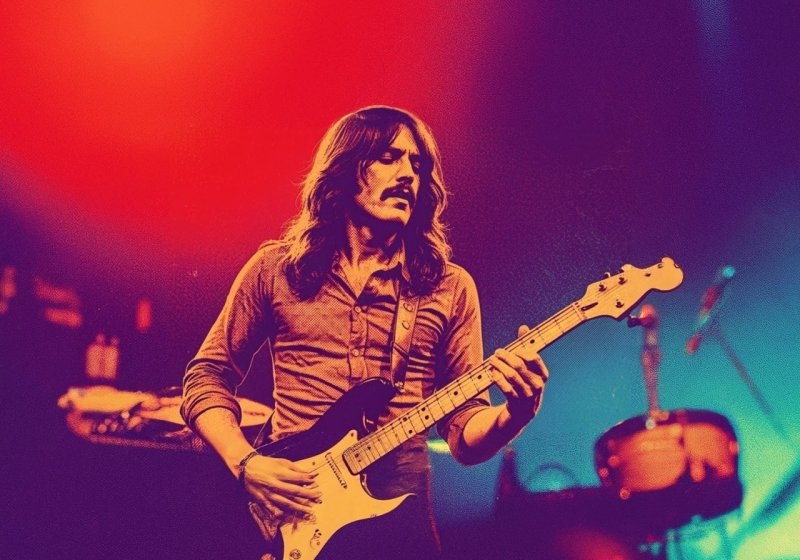
Mainstream radio in the mid-sixties was a sterilized wasteland of three-minute love songs designed to sell records to teenagers. The industry demanded safe, predictable pop structures, but a massive counterculture movement flat-out refused to play the game. They weaponized heavy hallucinogens and bleeding-edge studio technology to forge psychedelic rock, damaging the traditional boundaries of music. This was not about writing a catchy chorus; it was a brutal sonic assault designed to melt your perception of reality.
Must Read: 3 Best Emerging R&B Artists That You Must Discover Right Now
Psychedelic rock is an aggressive, mind-bending auditory assault that physically rejects traditional pop constraints. It relies on chaotic studio experimentation, heavily distorted guitars, and massive, echoing feedback loops. Musicians manipulated analog tape and hijacked unusual instruments to force a surreal, deeply disorienting chemical experience directly into your brain.
You cannot grasp the sheer chaos of psychedelic rock history by just looking at album release dates. You have to physically track how this movement exploded out of nowhere and eventually collapsed under its own massive weight.
In the mid-sixties, bands in Haight-Ashbury actively rebelled against sanitized folk music. They dragged massive amplifiers into ballrooms and subjected audiences to relentless, deafening improvised jams that completely defied radio standards.
While the Americans were melting faces live, British pioneers locked themselves in expensive studios. They weaponized four-track recorders, physically cutting and reversing tape to manufacture bizarre, impossible soundscapes.
The utopian dream completely shattered. Massive drug casualties, aggressive government crackdowns on LSD, and the dark, violent reality of the Altamont Free Concert forced the surviving musicians to pivot toward heavy metal or progressive rock.
Top Pick: Brooks & Dunn Top 10 Songs Every Fan Should Know
This is not about playing a guitar cleanly. Mastering the exact psychedelic rock characteristics requires completely abandoning music theory and physically abusing your equipment to generate maximum sonic chaos.
Engineers did not just record the room; they manipulated the signal. They drowned vocals in massive chambers of reverb and panned tracks hard left and right to induce absolute vertigo.
Guitars were not enough. Bands integrated Indian sitars and droning tamburas to harm Western melodic structures, forcing the listener into a hypnotic, repetitive trance.
The rigid three-minute pop song was instantly trashed. Bands routinely locked into massive, twenty-minute instrumental dogfights on stage, refusing to stop until the amplifiers physically overheated.
Stop listening to sanitized greatest-hits compilations. To actually understand the movement, you have to study the specific psychedelic rock bands that pushed the genre into dangerous, unmapped territory.
They were the absolute pioneers of the dark, gritty Texas acid scene. They pushed the boundaries of sanity, utilizing a bizarre electric jug to create a deeply unsettling, rhythmic pulse.
Before the massive stadium tours, they were a terrifying underground force. They unleashed aggressive, surreal nursery rhymes buried under a massive avalanche of chaotic, echoing guitar noise.
Hendrix did not just play the guitar; he subjugated it. He completely weaponized massive walls of feedback, turning raw, unmanageable amplifier noise into a highly controlled, destructive musical weapon.
This movement did not just magically appear out of thin air. The core psychedelic music influences are a brutal collision of stolen global traditions and aggressive technological advancements that completely overwhelmed the established musical order.
Musicians ruthlessly cannibalized the hypnotic, repetitive structures of traditional Indian classical music, completely abandoning standard Western chord progressions.
They hijacked the tape-splicing techniques of experimental electronic composers, dragging elite, academic sound manipulation directly into the dirty world of pop music.
They fused the raw energy of electric Chicago blues with the surreal, boundary-pushing poetry of the Beat Generation to force a massive cultural shift.
You cannot passively consume this genre; it demands your absolute attention. The legacy of psychedelic rock is not just a collection of old songs; it is a permanent blueprint for musical rebellion. It proved that you can reject corporate pop formulas, abuse studio equipment, and force the mainstream to accept chaotic art.
The scene literally burned itself out. Rampant, unmanaged drug abuse killed massive figureheads like Hendrix and Joplin in a matter of months. Simultaneously, aggressive government crackdowns on chemical distribution forced the surviving bands to completely abandon the utopian hallucination and pivot into heavy metal or sterile progressive rock just to survive the changing decade.
Engineers had to attack the recording medium. To get a reversed guitar solo, they legally had to unspool the massive magnetic tape, flip it completely upside down, and force it back through the playback heads. It was a brutal, destructive manual process that took hours to execute for a single three-second sound effect.
Acid rock is the vicious, aggressive little brother of the psychedelic movement. While standard psychedelia focused on floating studio effects and acoustic orchestration, acid rock relied entirely on unhinged, high-volume amplifier distortion and relentless, heavy guitar improvisation that actively punished the listener's eardrums.
Bands refused to just stand on a dark stage. They hired underground technicians to physically project boiling liquid oils and highly saturated strobe lights directly onto the performers. This massive visual assault hijacked the audience's optic nerves, intentionally triggering a sensory overload that mirrored a heavy chemical trip without a single drug being ingested.
Absolutely. The American West Coast scene was built on massive, gritty live performances and raw, deafening guitar jams in giant ballrooms. The British scene was heavily introverted, locking itself inside pristine recording studios to build surreal, highly orchestrated, heavily engineered pop experiments that were physically impossible to replicate on a live stage.
This content was created by AI